
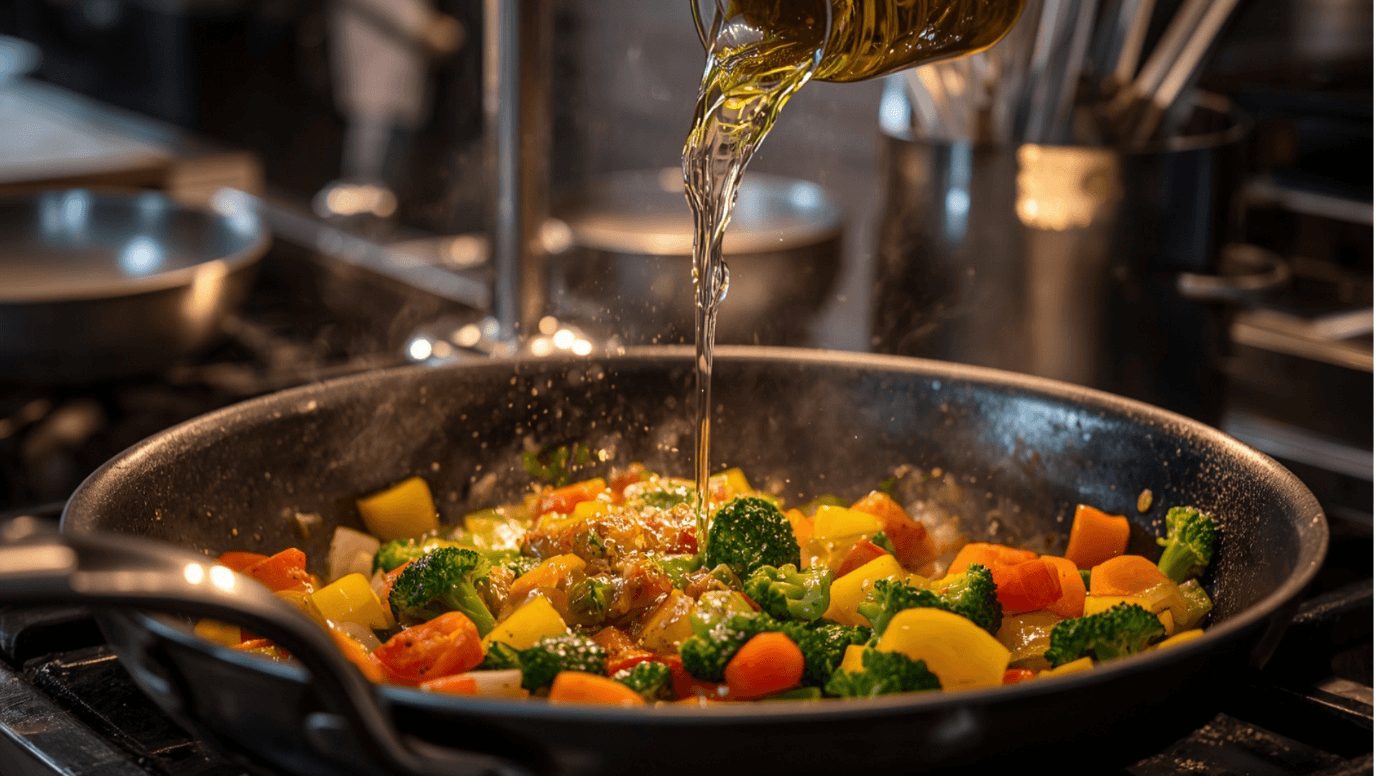
Hidden Calories in Everyday Meals: The Oil You Don’t See
The Hidden Ingredient That Could Be Affecting Your Weight Loss Goals
When people think about cutting calories, they often focus on reducing carbohydrates, sugary drinks, or desserts. While these foods certainly contribute to daily calorie intake, there is another source that frequently goes unnoticed—cooking oil.
For busy working women striving to maintain a healthy lifestyle, hidden calories can make it difficult to achieve weight loss goals despite making healthier food choices. Even meals that seem nutritious can contain more calories than expected because of the amount of oil used during preparation.
If you've been following a healthy diet plan but feel your progress has stalled, it may be time to take a closer look at what's happening in the kitchen.
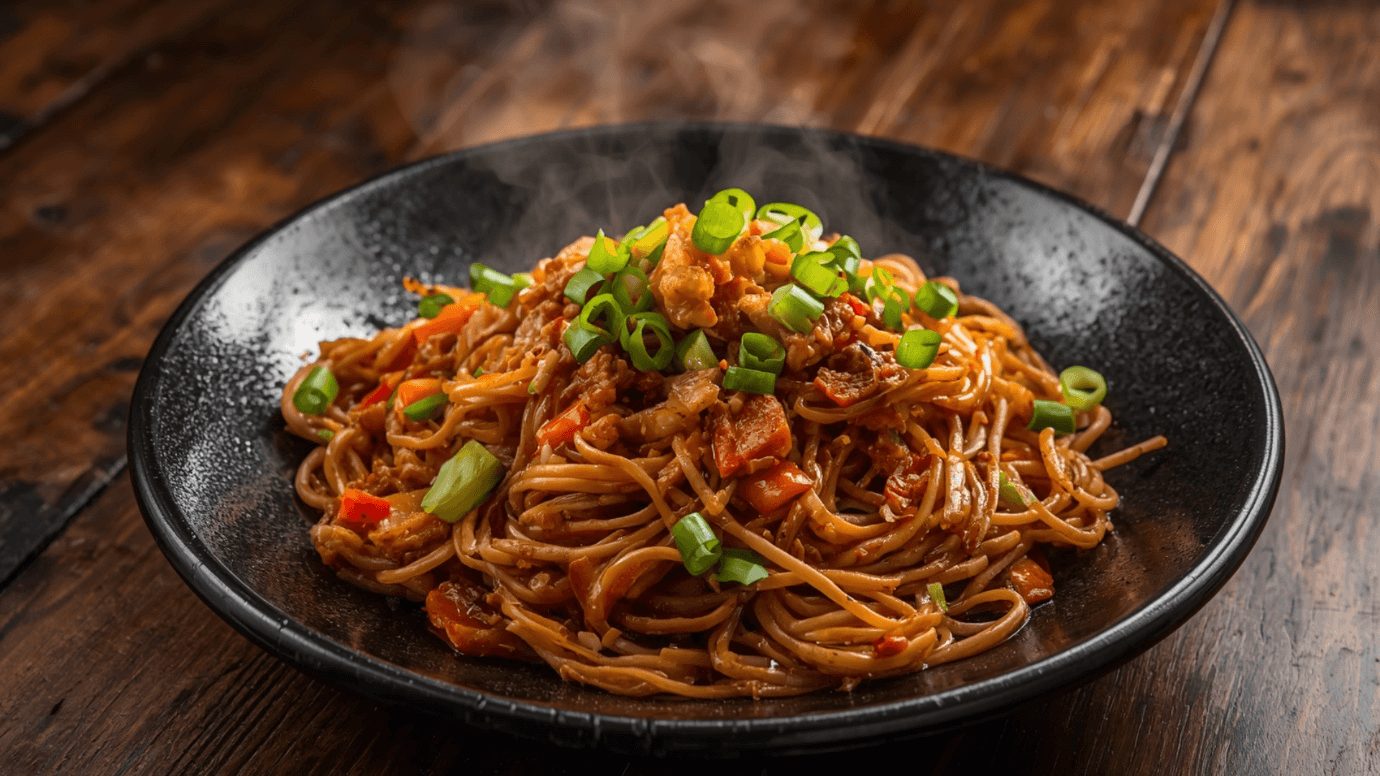
Why Oil Is a Major Source of Hidden Calories
Although oil is often used in small quantities, it packs a significant calorie punch. Just one tablespoon contains around 120 calories, making it one of the most energy-dense ingredients commonly used in cooking.
Here's how quickly the calories can add up:
- 1 tablespoon of oil = approximately 120 calories
- 2 tablespoons of oil = approximately 240 calories
- 3 tablespoons of oil = approximately 360 calories
Because oil blends into food and is rarely visible once cooking is complete, many people underestimate how much they are consuming. Over time, these extra calories can contribute to weight gain or make weight loss more challenging.
Even foods commonly considered healthy, such as vegetable dishes, grilled proteins, and homemade meals, can contain hidden calories when excessive oil is used.
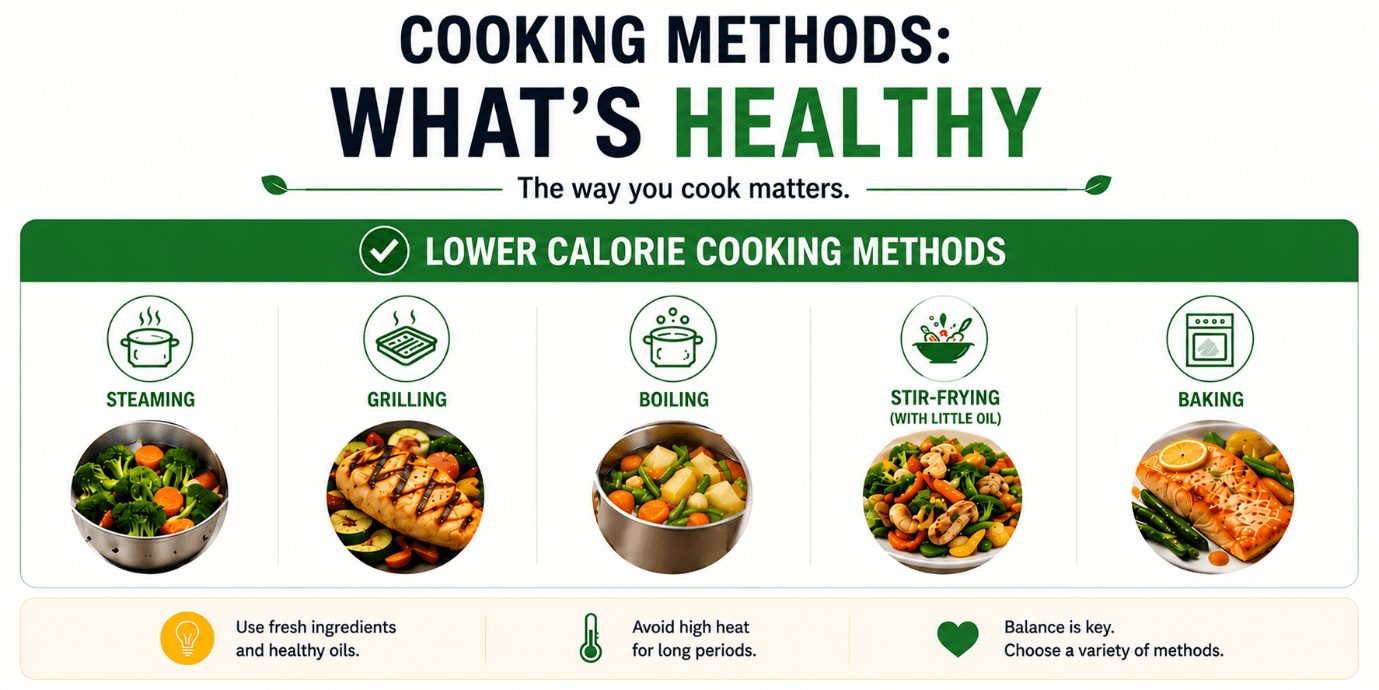
The Role of Cooking Methods in Calorie Content
The calorie value of a meal is not determined solely by its ingredients. The cooking technique used can significantly influence the final calorie count.
Stir-Frying and Pan-Frying
Many people associate stir-fried dishes with healthy eating because they often contain vegetables and lean proteins. However, these methods can still contribute substantial calories if generous amounts of oil are used.
What appears to be a light meal may contain far more calories than expected due to the oil added during cooking.
Baking and Grilling
Baking and grilling typically require minimal oil while still delivering flavourful and satisfying meals. These methods allow the natural taste of ingredients to shine while helping to keep calorie intake under control.
Steaming and Air Frying
Steaming is one of the healthiest cooking methods because it requires little or no added fat. Air frying is another popular option that creates a crispy texture using significantly less oil than traditional frying.
For this reason, many healthy meal plans and prepared meals for weight loss rely on these cooking techniques.
Deep Frying
Deep frying involves submerging food in hot oil, allowing it to absorb a considerable amount during cooking. As a result, deep-fried foods are often much higher in calories compared to their grilled or steamed counterparts.
Even when using healthier cooking methods, excessive oil usage can still significantly increase the overall calorie content.
Healthy Eating Is About More Than Portion Sizes
Reducing portion sizes is often seen as the key to weight management, but preparation methods are equally important. A meal cooked with excessive oil can contain more calories than a larger portion prepared using healthier techniques.
This is why effective diet meal plans for weight loss focus on both ingredient quality and cooking practices. Managing oil intake can help create meals that are filling, nutritious, and aligned with long-term health goals.
Small Changes Can Lead to Big Results
Weight loss doesn't always require drastic dietary restrictions. Sometimes, simple adjustments—such as choosing meals prepared with less oil—can have a meaningful impact over time.
Being aware of hidden calorie sources allows you to make more informed decisions while still enjoying delicious and satisfying food. By prioritising healthier cooking methods, you can support your wellness goals without feeling deprived.
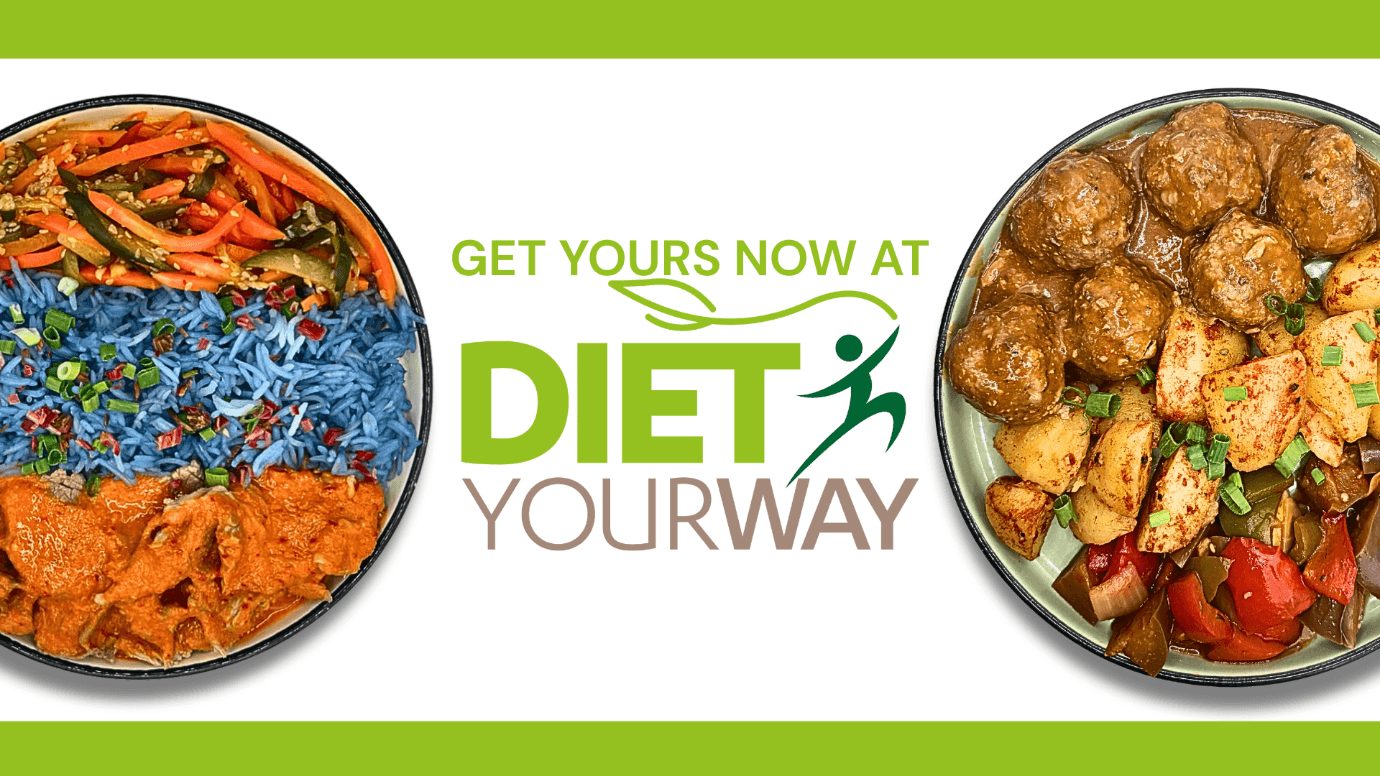
Make Every Calorie Count with Diet Your Way
At Diet Your Way, we make healthy eating simple, enjoyable, and practical. Our meals are thoughtfully prepared with balanced nutrition, controlled portions, and careful cooking methods that support your wellness goals while still delivering great taste. We also pay close attention to oil usage, keeping it minimal and using healthier preparation techniques such as baking and steaming to help reduce overall calorie intake without compromising satisfaction.
Whether you're looking for healthy prepared meals, a diet meal plan for weight loss, DYW offers a more mindful approach to everyday eating. With lower-oil cooking and nutrition-focused planning, it becomes easier to stay consistent with a calorie-conscious lifestyle.
Start your journey with DYW today and see how thoughtfully prepared, lower-oil meals can support sustainable weight management and better long-term health.
References:
- Huang, L., Liu, S., Wang, Y., Li, H., Cao, J. and Liu, X., 2023. Effect of cooking methods and polysaccharide addition on the cooking performance of cubic fat substitutes. Lwt, 181, p.114741.
- Daly-Koziel, K. and Walters, J., Oils and Empty Calories.
- Ferguson, R., The Hidden Fat Making You Fat: How Omega-6 Fuels Cravings and Weight Gain.
