
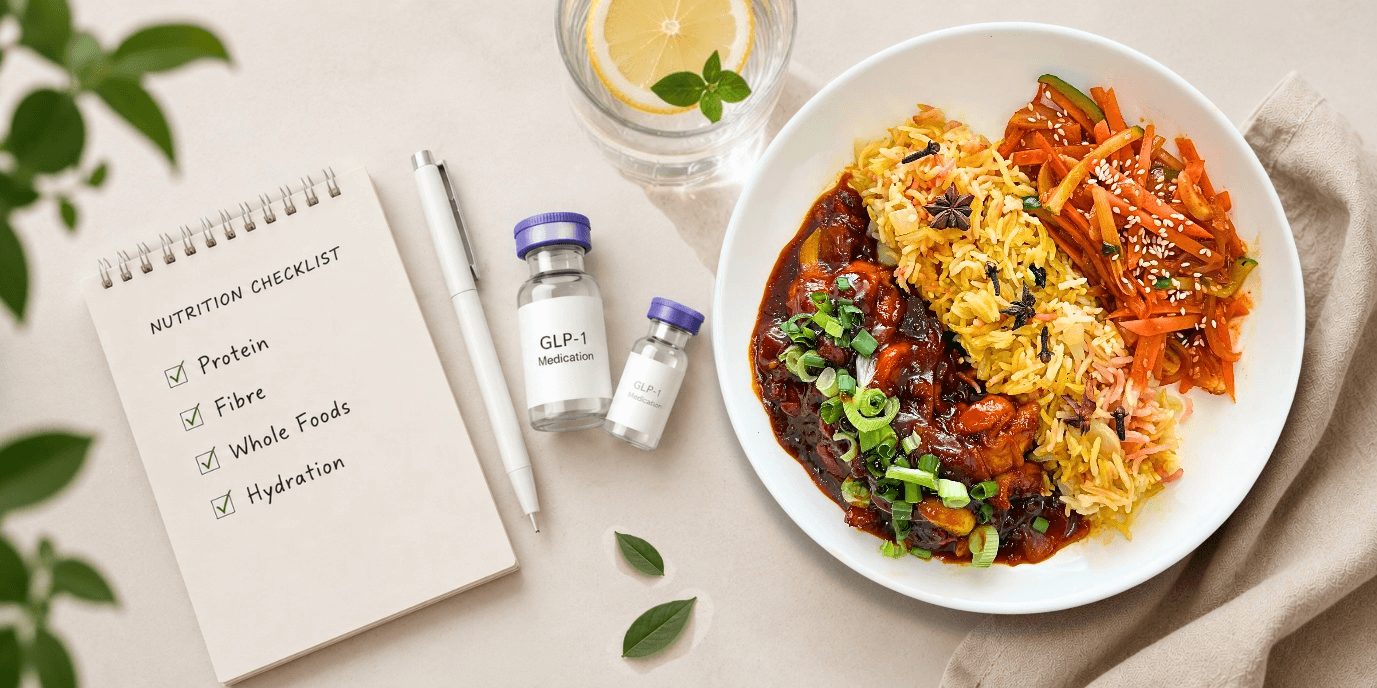
GLP-1 Isn’t Magic, Your Meals Still Matter
GLP-1 Isn't Magic, Your Meals Still Matter
GLP-1 medications have transformed the way many people approach weight loss. By helping to reduce appetite and making it easier to eat less, these medications can support meaningful weight loss when used appropriately. However, they are not a replacement for good nutrition. In fact, what you eat becomes even more important when your appetite decreases.
The goal isn't simply to eat less, it's to make every bite count.
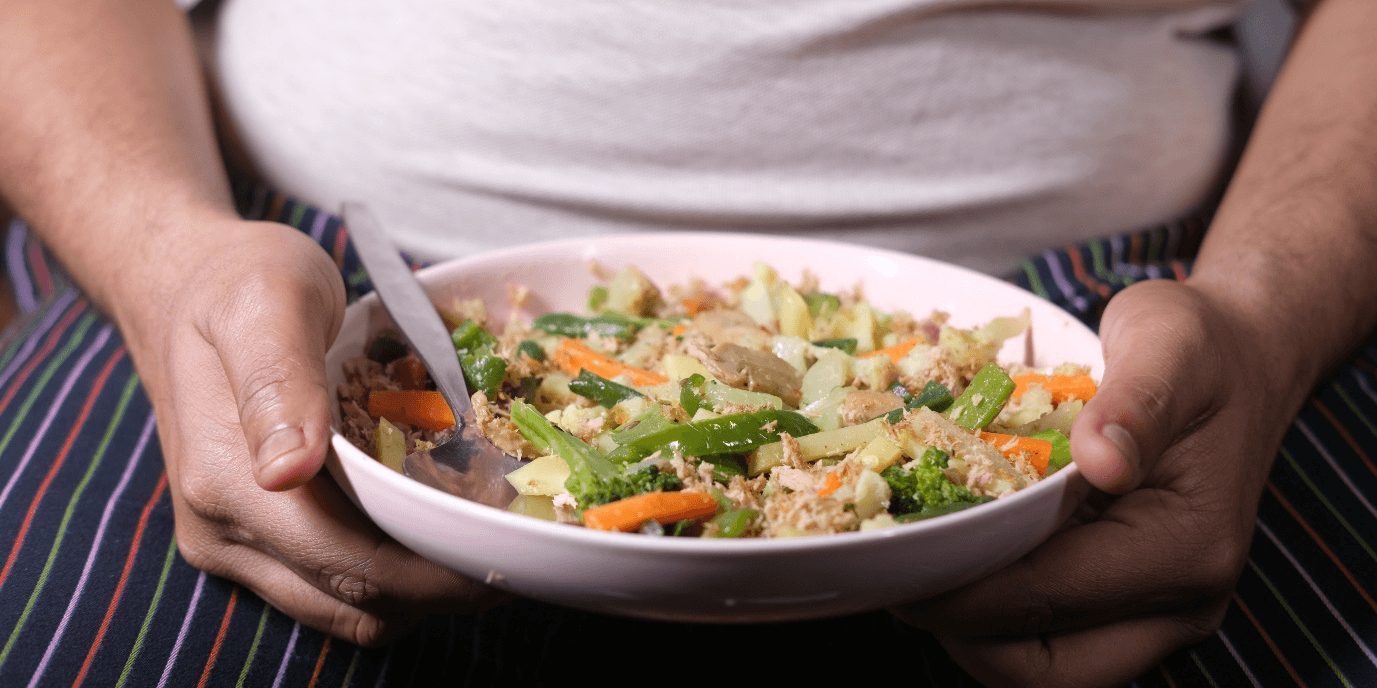
How GLP-1 Medications Change the Way You Eat
GLP-1 medications work in several ways to help reduce calorie intake:
- Less "Food Noise"
Many notice fewer intrusive thoughts about food throughout the day while being on GLP-1. GLP-1 medications influence the brain's appetite and reward centres, making it easier to resist unnecessary snacking or overeating. - You Feel Full Faster and Longer
GLP-1 medications slow down gastric emptying, meaning food stays in your stomach longer. This helps you feel satisfied after smaller meals and stay full for a longer period, naturally reducing overall food intake. - Different Food Cravings
Many people find that greasy, fried, or sugary foods become less appealing after starting GLP-1 treatment. These foods may also trigger nausea or stomach discomfort, especially during the first few weeks of treatment.
Together, these effects make it easier to maintain a calorie deficit for weight loss. However, eating less also means you have fewer opportunities to obtain the nutrients your body needs.
Why Nutrition Still Matters
As GLP-1 medications reduce appetite, there's a risk of eating too little or skipping balanced meals altogether. Over time, this may increase the likelihood of muscle loss, nutrient deficiencies, and even malnutrition, particularly for individuals already following a calorie-restricted weight loss plan.
Rather than simply focusing on eating less, the priority should be choosing nutrient-dense foods that provide the most nutrition in smaller portions. Whole foods such as lean proteins, vegetables, fruits, whole grains, legumes, and healthy fats deliver essential vitamins, minerals, fibre, and protein while supporting overall health.
Minimising highly processed foods is equally important, as they often provide excess calories with relatively few nutrients.
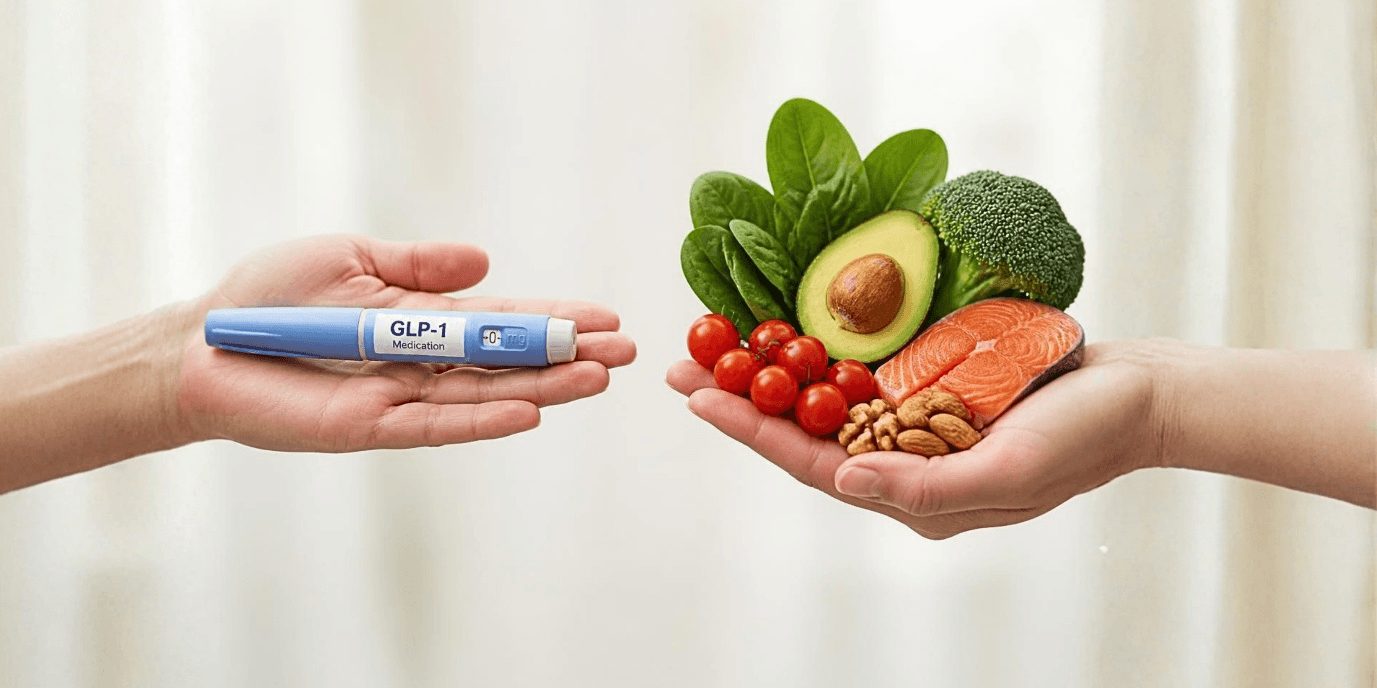
Protein and Fibre: Two Nutrients You Shouldn't Ignore
When calorie intake decreases, protein becomes even more important.
Adequate protein helps preserve lean muscle mass while your body is losing weight. Maintaining muscle supports strength, metabolism, physical function, and long-term weight management.
Fibre is another key nutrient during a GLP-1 journey. Fruits, vegetables, whole grains, and legumes provide fibre along with important vitamins and minerals. Fibre also helps reduce constipation, which is a common side effect of GLP-1 medications. Pairing a fibre-rich diet with plenty of fluids can help keep your digestive system functioning comfortably.
Foods to Limit
Some foods may worsen side effects such as nausea or stomach discomfort, particularly when first starting GLP-1 medications.
Consider limiting:
- Sugary drinks, desserts, sweets, and candy
- Refined carbohydrates such as white bread, crackers, and white rice
- Highly processed foods
- High-fat meals such as fried foods and pizza
- Very spicy foods if they trigger digestive discomfort
Eating smaller, balanced meals throughout the day instead of large, heavy meals may also help reduce nausea.
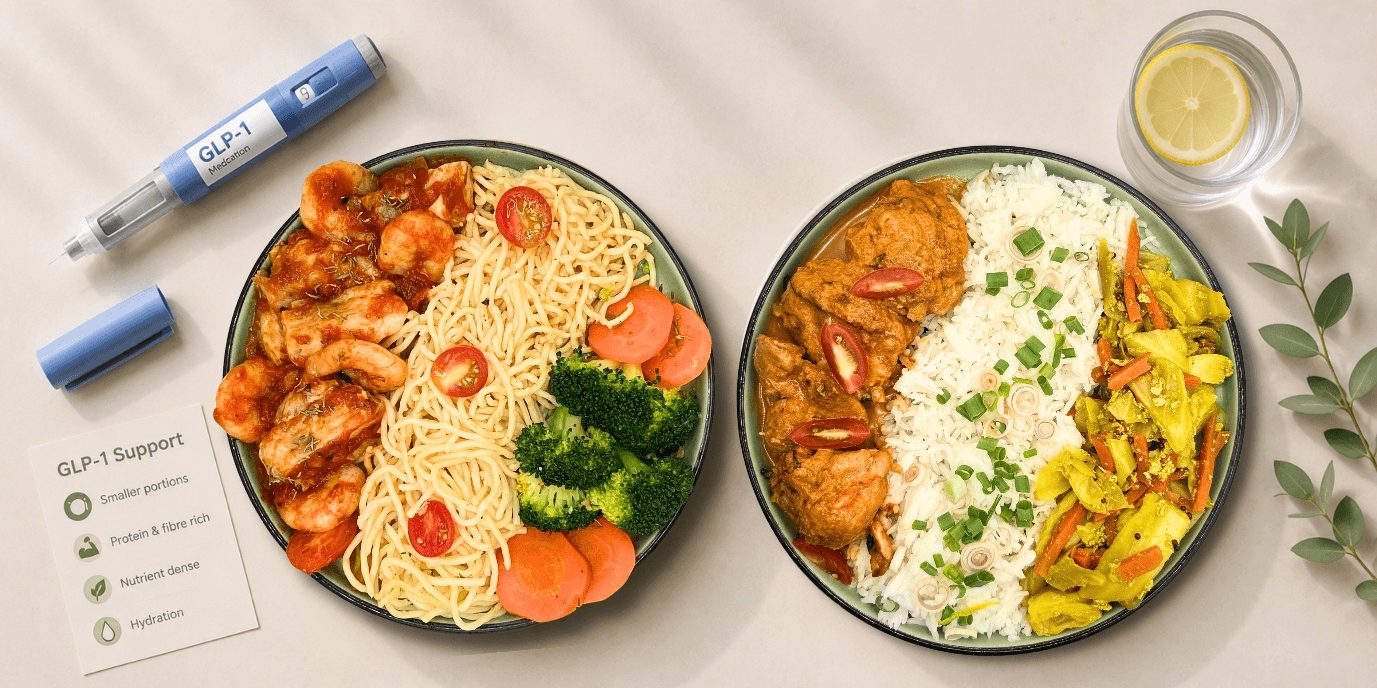
How We Support a Successful GLP-1 Journey
At Diet Your Way, we believe that sustainable weight loss comes from combining the benefits of GLP-1 medications with proper nutrition, not replacing one with the other.
That's why our GLP-1 supportive meals are designed to prioritise lean protein, fibre-rich vegetables, controlled portions, and balanced nutrition in every meal. Each meal is carefully planned to help you meet your protein needs, obtain essential vitamins and minerals, and maintain an appropriate calorie intake without sacrificing convenience or flavour.
GLP-1 medications can be a powerful tool, but lasting results still depend on building healthy eating habits. By nourishing your body with the right foods, you'll be better equipped to preserve muscle, support your overall health, and make your weight loss journey more sustainable for the long term.
This article is for general information only and doesn't replace advice from your doctor or pharmacist about your GLP-1 treatment.
References
- UC Davis Health. GLP-1 and health beyond weight loss in the Ozempic era.https://health.ucdavis.edu/news/health-wellness/glp-1-and-health-beyond-weight-loss-in-the-ozempic-era/2025/11
- Stanford Medicine. GLP-1s 101: Weight loss, Wegovy, Ozempic, Zepbound, side effects and safe use.https://med.stanford.edu/news/insights/2026/06/glp1s-101-weight-loss-wegovy-ozempic-zepbound-side-effects-safe-use.html
- Cleveland Clinic. What Should You Eat While Taking a GLP-1?https://my.clevelandclinic.org/watch/glp-1-diet
- The GLP-1 Diet: What to Eat and Why It Matters.https://www.healthline.com/health/nutrition/glp-1-diet
- Obesity Action Coalition. Nutrition Considerations While Taking GLP-1 Medications.https://www.obesityaction.org/wp-content/uploads/GLP1.pdf
- Current Opinion in Clinical Nutrition and Metabolic Care.Malnutrition and micronutrient deficiencies in obesity treatment. https://www.sciencedirect.com/science/article/pii/S266736812500049X#sec5
- Mayo Clinic. GLP-1 receptor agonists: Managing side effects.https://www.youtube.com/watch?v=lj-iXCwu2XY&t=2
