How to Enjoy Local Dishes in a Healthier Way (Without Giving It Up)

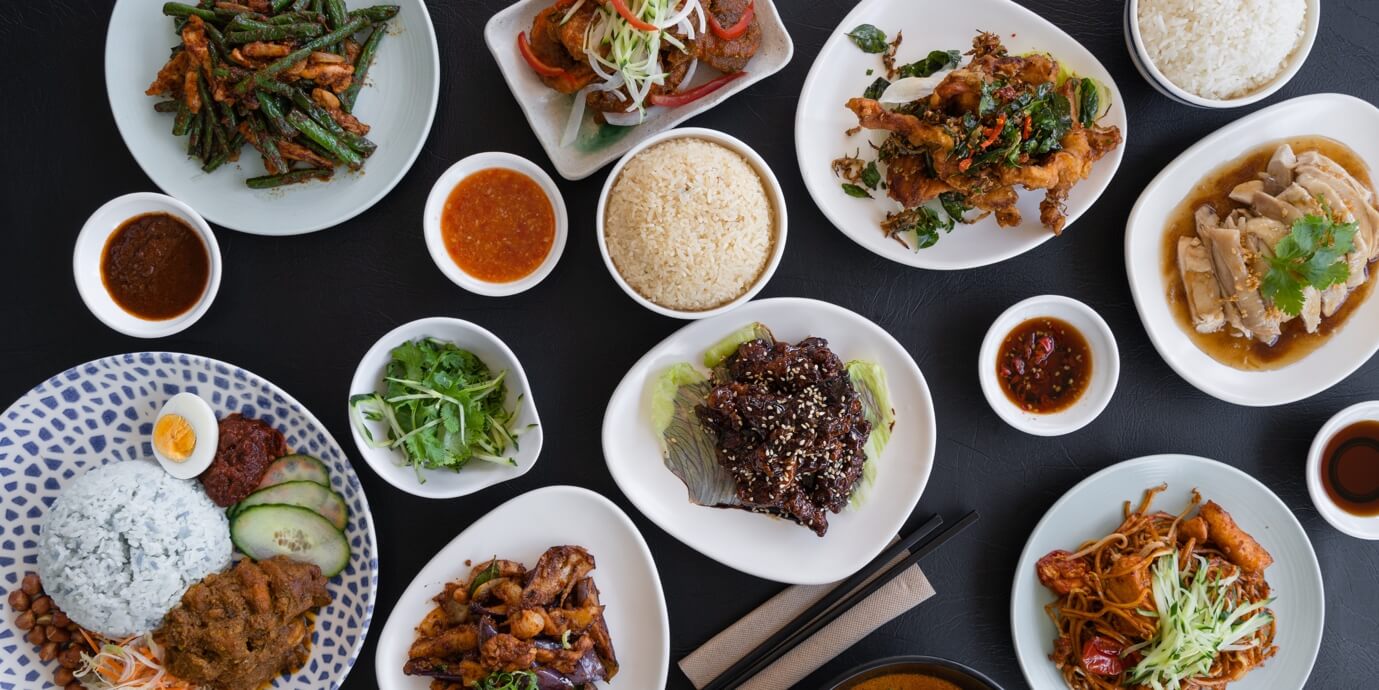
Most local dishes aren’t just food — they’re part of how we live. It’s the quick lunch you grab between work, the comfort meal after a long day, or the plate you share with family without thinking too much about it. It’s familiar, it’s satisfying, and it just fits into everyday life.

But somewhere along the way, when people start thinking about health or weight, these same meals suddenly get labelled as something to “cut down” or avoid.

The truth is, you don’t need to give them up.

What usually makes the difference isn’t the dish itself — it’s how it gradually builds up on the plate.
It’s Not the Dish — It’s How It Builds Up

At its foundation, most local meals are relatively balanced — typically combining carbohydrates, protein, herbs, and vegetables in one serving.

What often increases the calorie load comes from the extras:

That extra scoop of rice because the portion “feels a bit small.”

Fried stuff like ayam goreng, ikan goreng, or even that crispy tempeh you didn’t plan to finish.

Extra sambal or gravy — because it just tastes better when it “banjir”.

Adding fried egg, extra cheese, or mayo to make the meal “more sedap”

These elements are what transform a dish into something much more energy-dense.

Keeping the Dish Authentic, Adjusting the Balance

Here’s the part most people don’t realise: you don’t have to give up these meals to eat better.

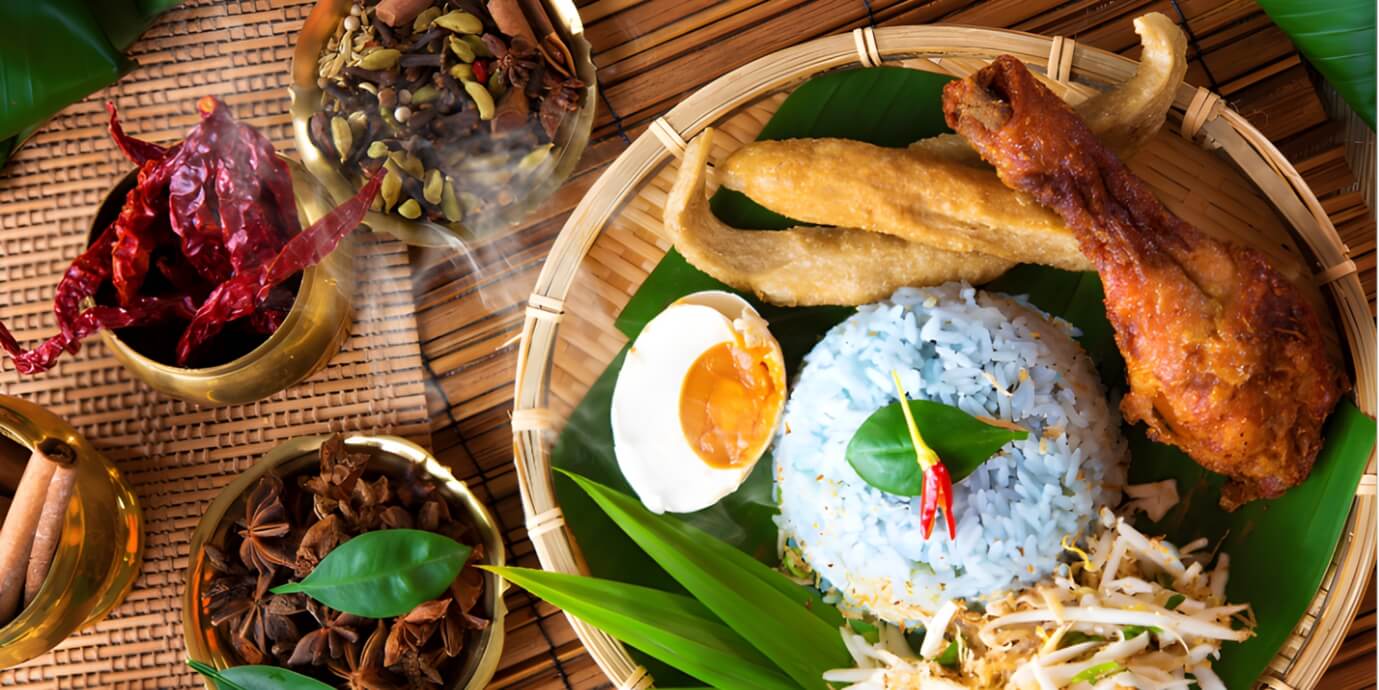
Take nasi kerabu as an example. Instead of removing the dish’s identity, small changes can help make it lighter while keeping its familiar taste.

  • Grilled or baked proteins instead of deep-fried options
  • Ask for kuah on the side instead of pouring everything in
  • Using smaller portions of serunding while keeping the flavour
  • Choose more vegetables or ulam to add volume
  • Stick to one main sauce so flavour stays balanced without piling calories

You don’t feel restricted. You just feel satisfied.

And that’s when things start to stick — because it feels like something you can actually maintain.

Portion Balance Makes the Difference

A lot of people think eating healthy means “don’t eat certain things.” But in reality, it’s often about how much of everything ends up together on one plate.

The easiest shift is not restriction — it’s structure:

  • Rice stays present, just not taking over the whole plate
  • Protein keeps the meal filling
  • Vegetables get more space than usual

This kind of balance doesn’t make the meal feel smaller. It actually makes it feel more complete.

A More Realistic Way to Think About It

At Diet Your Way, this is exactly how we approach food — especially Malaysian favourites.

Not by replacing culture. Not by stripping flavour. But by quietly adjusting what actually matters:

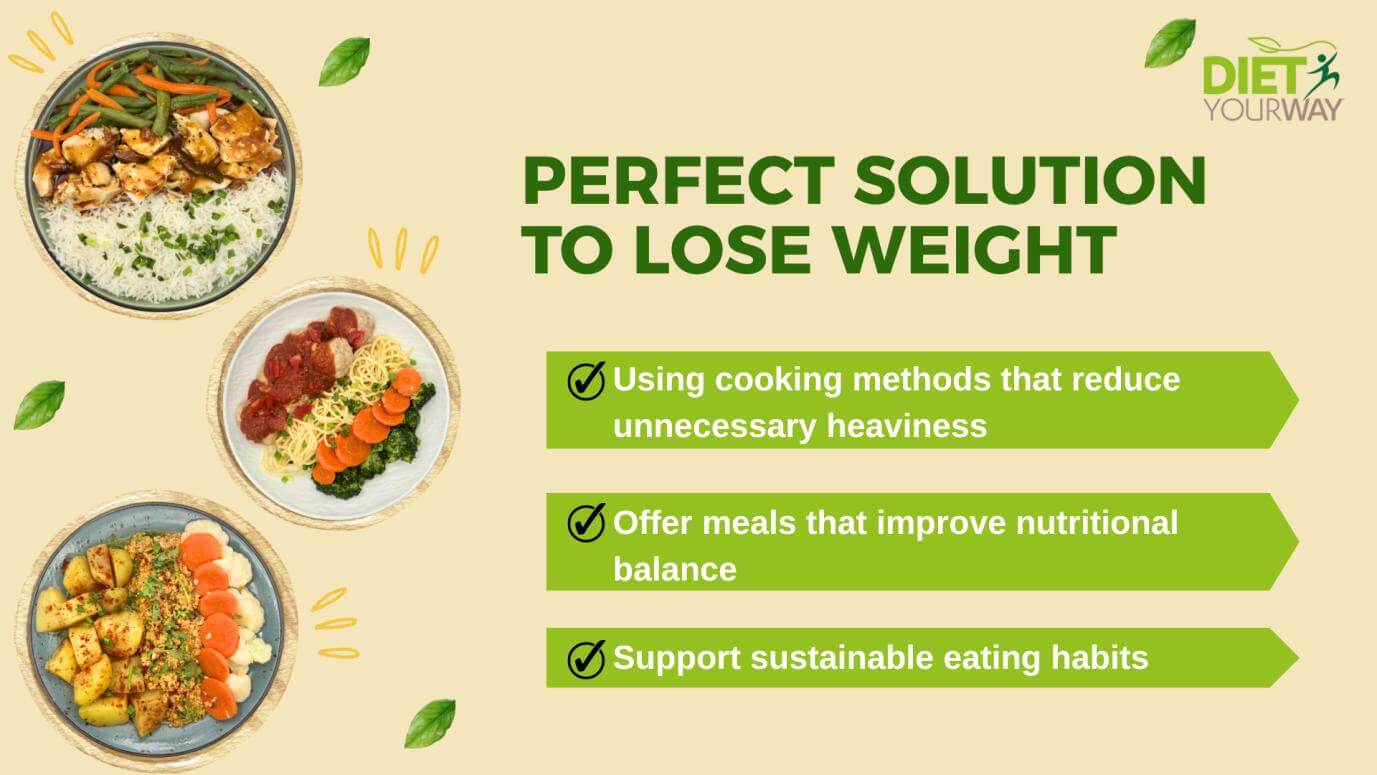
  • Cooking methods that reduce unnecessary heaviness
  • Control portions so meals feel balanced, not restrictive
  • Fine-tune ingredients so you still enjoy the taste you’re used to

Because the goal isn’t to make food perfect, but on adapting them so they fit into everyday life in a more balanced way.

Keeping Culture and Health Together

Food is deeply tied to culture, and enjoying traditional dishes is part of maintaining that connection. The key is not restriction, but understanding how small adjustments can make familiar meals more supportive of long-term health.

With mindful ingredient choices, portion balance, and better cooking methods, it can remain part of everyday eating — without guilt or compromise.

And that’s what sustainable healthy eating is really about: keeping what you love, and simply making them fit better into your everyday life.

Reference

Andres, A., Fisher, J. O., Anderson, C. A. M., Gardner, C. D., Giovannucci, E., Hoelscher, D. M., Jernigan, V. B. B., Odoms-Young, A., Palacios, C., Raynor, H. A., Stanford, F. C., Fultz, A. K., Obbagy, J., Butera, G., Higgins, M., & Terry, N. (2024). Portion size and energy intake: A systematic review. U.S. Department of Agriculture, Nutrition Evidence Systematic Review. https://doi.org/10.52570/nesr.dgac2025.sr28

Ministry of Health Malaysia. (2020). Malaysian dietary guidelines (2nd ed.). http://nutrition.moh.gov.my

Salesse, F., Eldridge, A. L., Mak, T. N., & Gibney, E. R. (2024). A global analysis of portion size recommendations in food-based dietary guidelines. Frontiers in Nutrition, 11, 1476771. https://doi.org/10.3389/fnut.2024.1476771


Written by:

Nursrisabrina binti Nazarruddin

Customer Success Nutritionist

As a Nutritionist at Diet Your Way, I’m passionate about turning everyday meals into something that not only nourishes the body but also fits effortlessly into real life. I enjoy simplifying nutrition—making it easier to connect what we know is healthy with what we actually eat day to day. For me, it’s not just about hitting health goals, but building habits that feel realistic, sustainable, and enjoyable in the long run.

Related